.jpg)
In the past, I've taken the time to teach my students film analysis techniques. Unfortunately with the year of snow we're having, I just don't have time to fit it into the curriculum. In the future, though, if I'm able to spend some time teaching my students the benefits of film and how a story can be masterfully told through images and digital video editing, I can easily see how I can implement this technology in my room.

In the past, my lesson entailed reading the novel Speak by Laurie Halse Anderson and then watching the Showtime movie with the same title. One of the difficulties in transferring this novel to film is that throughout the entire novel, we are provided a first person perspective of primarily internal narration. As we watch the movie, students are tasked with watching the film for diagetic and non-diagetic sounds, camera angles, use of zoom, use of shadow, and numerous other techniques to analyze the impact of the images on the screen as they are retold as a story.
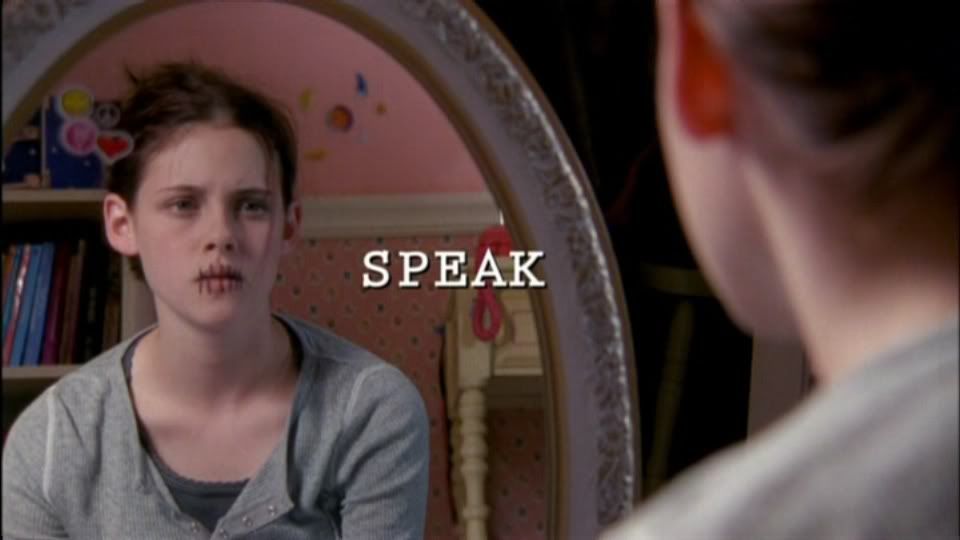
What I understand as a designer is that my students are more than capable of completing this task, but also doing so as advanced learners. If I am able to channel these same skills and create my students as directors, I can see turning any literary piece we read into a scene or short with the help of digital video editing. What I need now...tiny little directors chairs and the funding to begin my own film school!

I never knew what diegetic sounds were, so I looked it up. Hey, you learn something new everyday! :-)
ReplyDeleteLike you, I see the value in analyzing film for sound, lighting, camera angles, and such. It's important for students to watch for different purposes other than plot, conflict, and character.