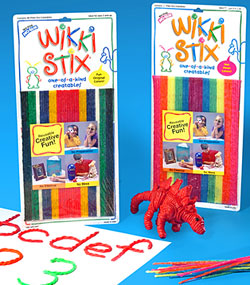
The world of wikis used to be such an abstract concept to me. When I heard wiki, inevitably I would think of Wikki Stix that I used to play with when I was little.
Does anyone remember these? Of course, that is not at all what wikis are... but a few months ago, ask me and that's what I would have gushed about on the subject of this sticky web of creativity.
Of course I had been exposed to the now infamous
Wikipedia, but if I had to define what a wiki was, well forget it. After going through the ITS program and discussing the benefits of Wikipedia, it has completely changed my perspective. In the past, if students asked if they could use Wikipedia for sources or for a reference, I would respond with a head shake, eye roll, and absolutely not- it isn't a reliable source. Boy, was I ever wrong. When Dawn told us that Wikipedia actually employed fact checkers and their sites could certainly be used as resources, I realized I needed to change my stuck in the mud way of thinking.
The world of wikis, a world set in web 2.0 and set up as a collaborative site, may be fairly new to the field of education. The more I learn, however, the more I realize that wikis are an excellent tool to use in the classroom. As an English teacher, I do recognize that there would be limitations for creating a wiki that was really the most appropriate affordance could get dicey. Although, as I consider the possibilities for implementation, my mind reels with the various ways I could introduce wikis in the classroom.
In an ideal world, I could introduce a lesson on grammar, literary terms, or plot details and allow my students to collaborate and contribute their knowledge base. I really like how we, as ITSers, have been working together to complete the
ITSOPEDIA pages and implement our skill sets. The same format could easily take place in my classroom. Additionally, as students add facts, edit details, and improve the elaboration, they could also add connections to the literary works we read in class. Essentially, the wiki could be a asynchronous tool that the students complete to build so many literary skills.

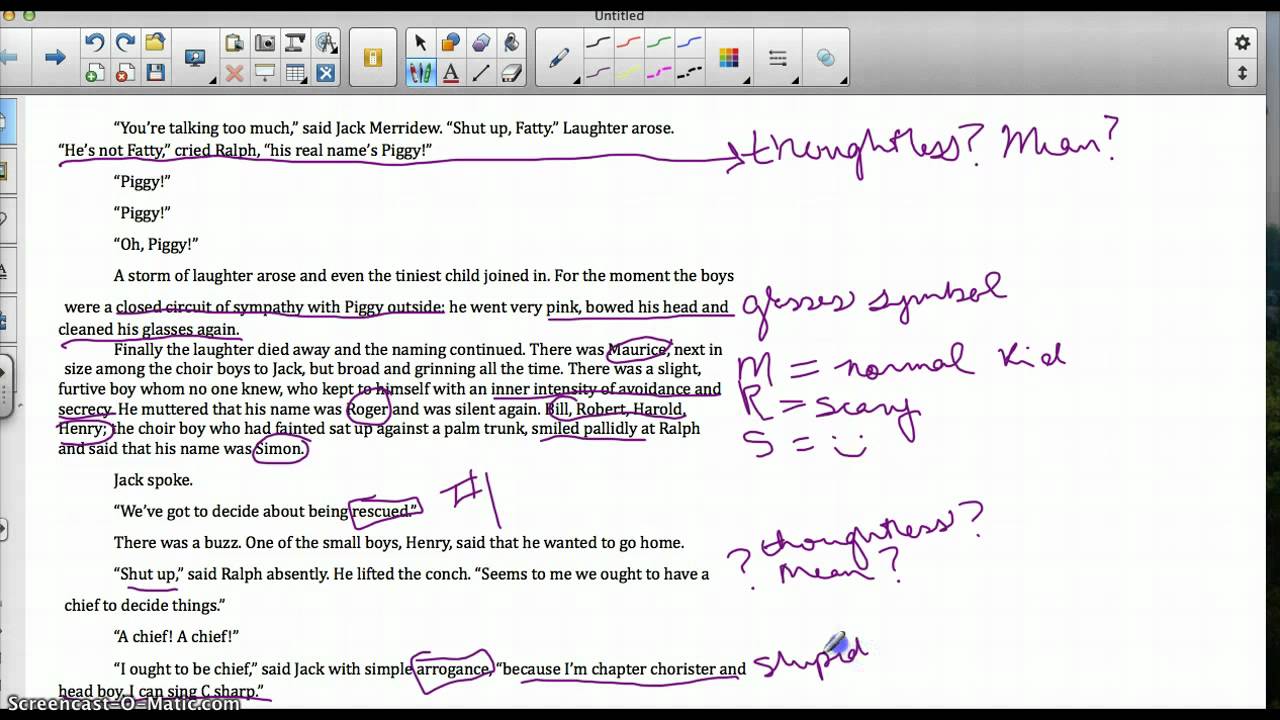
As a designer, I have struggled with ways to accurately assess students in order to provide meaningful feedback. My school has worked with the implementation of formative and summative assessments and the world of wikis only adds another perspective to the conversation. Wikis would be an excellent tool to support any unit plan that students would need numerous formative assessments to prepare them for their summative assessment. Novels, for example, have so many layers of intricacy and creating small groups who are responsible for different skills sets within the unit would be such a different way to approach the material. Wikis allow the educational world to transcend the classroom and bring students fully into web 2.0.



.jpg)